TL;DR
A Voluntary Interview is not the same thing as a detention or an arrest. In Texas, the legal line usually turns on whether a reasonable person would feel free to leave, refuse, or end the conversation. If police want you to go to the station, sit in a patrol car, or keep talking after you ask to leave, the encounter may no longer be truly voluntary. Miranda warnings usually matter only during custodial interrogation, not every police contact.

When A Friendly Police Talk Turns Into A Serious Situation
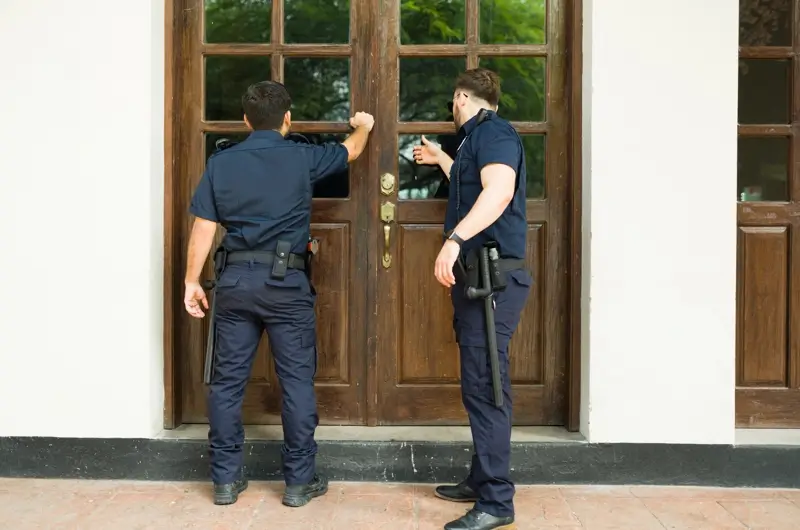
When police start talking to you in a parking lot, at your job, outside your home, or by phone and ask if you can “come answer a few questions,” the biggest problem is often uncertainty. The officer may sound calm, the tone may feel informal, but the legal issue is not whether the officer is polite. The issue is whether you are actually free to walk away, refuse to go anywhere, or stop answering questions. In Texas, that distinction can decide whether you are dealing with a consensual encounter, an investigative detention, or an arrest.
A lot of people get pulled into damaging interviews because they think an innocent person should cooperate. This usually affects assault, theft, fraud, and drug investigations, where officers often reach out before filing formal charges. A “friendly talk” can still build the case against you long before any formal arrest happens. The first thing you need to know is what kind of police contact this really is.
Three Levels Of Police Contact In Texas You Should Know
Texas courts generally sort police contact into three categories: consensual encounters, investigative detentions, and arrests.
A consensual encounter is the least restrictive. The officer can ask questions, and you can usually refuse, leave, or end the conversation. Texas courts have said the key question is whether the officer conveyed that compliance was required. If a reasonable person would feel free to ignore the officer and walk away, that points toward a consensual encounter.
An investigative detention is different. At that point, you are no longer simply choosing to stay and talk. The Fourth Amendment requires reasonable suspicion for that kind of stop, and Texas courts have repeated that more than a hunch is required. Officers may briefly detain someone to investigate, but they do not get unlimited time or unlimited control just because they call it temporary.
An arrest is the most serious level. In Texas, a Texas arrest procedure under Chapter 15 involves a warrant when officers proceed by arrest warrant, and Chapter 14 covers situations where officers claim authority to arrest without one.
If officers are taking control of your movement in a way that goes beyond a brief stop, transporting you, handcuffing you without a temporary-safety basis, or clearly telling you that you are not free to leave, the situation may be moving into arrest territory.
Understanding When You Cannot Just Leave
The question is still the simplest one: “Am I free to leave?” If the answer is yes, leave calmly and stop talking. If the answer is no, ask, “Am I being detained, or am I under arrest?” You do not need to argue. You do not need to persuade the officer. You need to make the status of the encounter clear. That matters for your rights and for any later challenge to what happened.
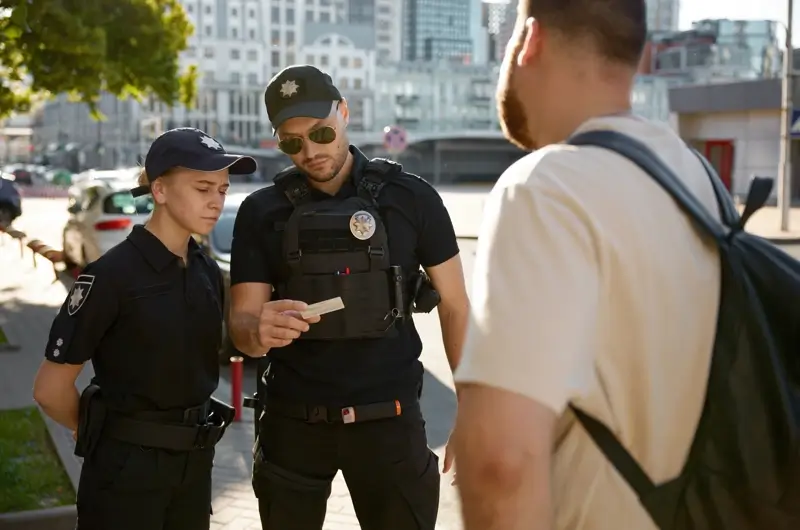
Some facts that can suggest the encounter is no longer voluntary include officers blocking your path, keeping your identification, directing you into a patrol car, surrounding you, using commanding language, telling you to wait, or insisting that you accompany them to another location.
None of those facts automatically decides the issue by itself, because the line between detention and arrest depends on the facts and court rulings. But they are warning signs that the contact may have moved well beyond a simple conversation.
Questions to Ask Before You Go Anywhere
If officers want you to come to the station, ride with them, or continue the discussion somewhere else, slow the situation down and ask direct questions:
- Ask whether you are free to refuse.
- Ask whether you are being detained.
- Ask whether you are under arrest.
- Ask whether you are expected to drive yourself or ride with them.
- Ask whether you are free to leave once you get there.
Those questions do two things. First, they help you understand what is really happening. Second, they force officers to clarify the encounter instead of leaving you trapped in vague language like “we just want to clear this up.”
If police say the interview is voluntary, remember what that should mean in real life. You should be able to decline. You should be able to stop the interview. You should not be required to accompany them to the station. And you should not be punished for saying you want a lawyer before answering questions.
Do You Have To Go To The Station?
Usually, not. A voluntary interview is supposed to be your choice. If officers ask you to come to the station and you do not want to go, the safest answer is no, until you have legal advice. People think refusing makes them look guilty. That is not the legal standard. The police are allowed to ask and you are allowed to protect yourself.
Once you get into a station interview room, the pressure changes. The setting is controlled by law enforcement. The questions are often more focused than you expected. And many people who thought they were helping themselves end up giving the prosecution the timeline, admissions, or inconsistencies that later become the backbone of the case.
This is especially true in assault, domestic violence, theft, fraud, sex crime, and drug investigations, where officers often reach out before filing formal charges. The fact that you have not been arrested yet does not make the interview safe.
When Miranda Does and Does Not Matter
A lot of people believe police must read Miranda rights before asking any question. That is not how it works. Under Texas Code of Criminal Procedure art. 38.22, warnings are tied to custodial interrogation. Texas courts have also repeated that if a person’s statements do not come from custodial interrogation, Miranda and article 38.22 generally do not apply.
That means a voluntary interview can still hurt you even if no warnings are given first. No Miranda warning does not automatically mean your words cannot be used. The real question is whether you were in custody and being interrogated. If not, officers may still try to use what you said. That is why waiting for Miranda as a signal to take things seriously is a bad plan. By then, the damage may already be done.
A Casual Talk Can Still Help Police Build A Case
Police do not need a confession to strengthen a case; they may be looking for clues that you can provide them. They may want your timeline, your explanation, your phone number, your relationship to another person, your reason for being somewhere, or a detail they can compare against records, video, texts, or another witness.
That is why “I just want to hear your side” is not a safe phrase. The prosecution still has the burden of proof, but you do not need to help carry it.
Do Not Guess Whether You Are Free To Leave
If you are not sure whether the encounter is voluntary, ask if you are free to leave or if you are being detained. Do not agree to go to the station just because the request sounds casual. Do not try to talk your way out of being a suspect. The line between a voluntary interview and an arrest can be fact-specific, but your safest move is usually the same: keep your answers short, do not consent blindly, and get legal guidance before the interview happens.
Get Help Before A Voluntary Talk Turns Serious
If police want to question you, want you to accompany them, or are blurring the line between a Voluntary Interview and an arrest, schedule a case evaluation with Arlington Criminal Attorneys.
We can evaluate the type of police contact involved, whether the officers were treating the encounter as truly voluntary, what statements may already be at issue, and what steps need to happen next to protect your rights, your record, and your family.